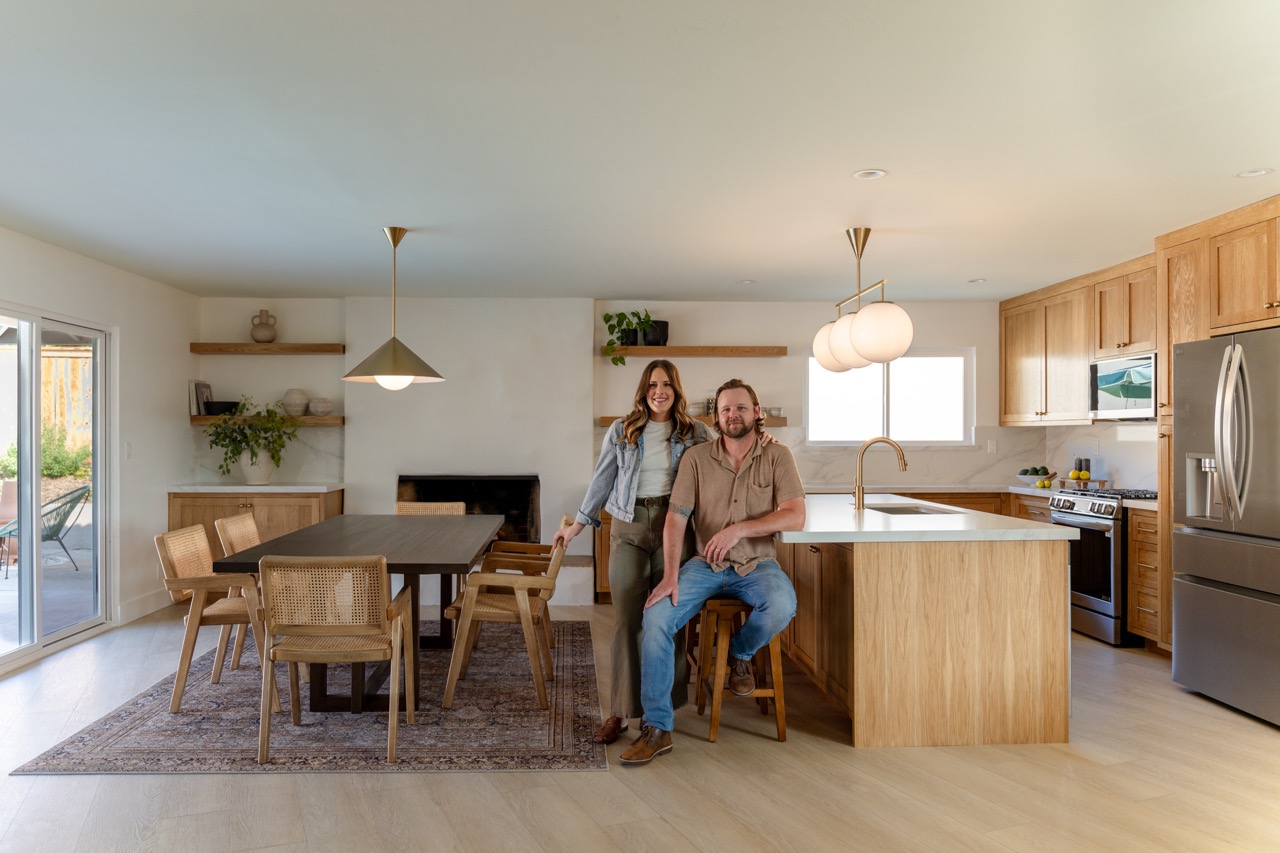
“Contemporary” is one of the most searched, and most misused, terms in interior design. It gets applied to everything from stark minimalist spaces to warm, textured rooms full of natural materials, which makes it genuinely confusing for homeowners trying to figure out whether it’s the right direction for their own home. Understanding what contemporary design actually means, and how it differs from styles it’s often confused with, makes it much easier to have a productive conversation with a designer.
Contemporary vs. Modern: What’s the Difference?
The most common point of confusion is between contemporary and modern. They sound interchangeable, but they mean different things.
Modern design refers to a specific historical movement rooted in the early to mid-20th century, defined by clean lines, minimal ornamentation, and materials like steel, glass, and molded plastic. Mid-century modern is a well-known subset of this style.
Contemporary design refers to whatever is current right now. It’s a moving target by definition, which is part of why it’s harder to pin down. Contemporary design borrows from modern design’s clean lines and lack of clutter, but it isn’t tied to a specific historical period or a fixed set of materials. It evolves as design trends evolve, which is why contemporary interiors today look different from what would have been called contemporary a decade or two ago.
The Core Elements of Contemporary Interior Design
While contemporary design changes over time, a few characteristics tend to define it in its current form:
Clean, uncluttered lines. Furniture and architectural details favor simple, well-proportioned forms over heavy ornamentation.
A neutral base with intentional contrast. Contemporary spaces often build from a neutral palette, then introduce contrast through texture, a bold material choice, or a single striking piece rather than a saturated color scheme throughout.
Natural materials and texture. Where modern design leaned on smooth, industrial materials, current contemporary design incorporates warmer materials like wood, stone, and woven textiles, giving spaces depth without adding visual clutter.
Curated, purposeful furnishings. Rooms are furnished with fewer, better pieces rather than filled with matching sets, which keeps the space feeling open and intentional.
Openness balanced with definition. Contemporary interiors tend to favor light, airy spaces, but increasingly pair that openness with clearly defined zones rather than one undifferentiated open plan, a shift that’s become especially noticeable in the past couple of years.
How Contemporary Design Looks in San Diego Homes
San Diego’s climate and light give contemporary design a distinct regional character. The abundance of natural light throughout the year supports the airy, uncluttered feel contemporary spaces aim for, without requiring heavy window treatments or artificial lighting to compensate. Indoor-outdoor connections, whether through folding glass doors, covered patios, or courtyards, extend contemporary design principles beyond the walls of the house, which is something homeowners in colder climates simply can’t lean on to the same degree.
There’s also a distinctly coastal warmth that shows up in a lot of contemporary work happening in San Diego right now. Rather than the cooler, more industrial materials associated with earlier eras of contemporary and modern design, local homeowners are gravitating toward warmer wood tones, textured plaster, and earthy color accents that feel connected to the surrounding landscape. Some designers refer to this as a coastal or organic take on contemporary style, distinct from the starker, all-white minimalism that dominated contemporary design a decade ago.
Contemporary Design Across Different Rooms
Kitchens. Contemporary kitchens favor clean cabinetry fronts, minimal hardware, and a mix of materials, such as a stone island paired with wood or matte cabinetry, rather than one uniform finish throughout.
Living rooms. Furniture tends to be lower profile with simple silhouettes, arranged with clear sightlines and, increasingly, a defined sense of enclosure rather than blending directly into an adjacent kitchen or dining space.
Primary bathrooms. Contemporary primary baths often center on a curbless walk-in shower, natural stone or large-format tile, and simplified vanity design, paired with warm wood accents that keep the space from feeling clinical.
Is Contemporary Design Right for Your Home?
Contemporary design tends to suit homeowners who want a space that feels current and uncluttered without committing to a narrower stylistic niche like mid-century modern or farmhouse. It works particularly well in San Diego homes with strong natural light and a connection to outdoor space, since both are central to how contemporary design reads at its best.
It may be less of a fit if you’re drawn to a more traditional, ornate, or maximalist aesthetic, or if you have a strong attachment to a specific historical style. A good designer can also blend contemporary elements with other influences, so it doesn’t have to be an all-or-nothing decision.
One of our favorite examples of contemporary design came from a recent remodel where the goal was to modernize the home without making it feel cold or overly minimal. Rather than adding more design elements, we focused on simplifying the space and allowing a few intentional materials to make an impact. Clean cabinetry lines, streamlined fixtures, warm wood tones, and natural stone created the contemporary foundation, while subtle variations in texture added warmth and character. It was a great reminder that contemporary design doesn’t have to feel stark. The most successful spaces balance clean, modern lines with materials that make a home feel inviting and lived inside and out.
Working with a San Diego Interior Designer on a Contemporary Remodel
Because contemporary covers a fairly wide range of looks, working with an interior designer who can translate the general concept into specific material, layout, and furnishing decisions for your particular home matters more than it might for a more narrowly defined style. At Rice Design & Build, our design process starts with understanding how you actually want to live in the space, then develops a complete design package, including layout, finishes, and furnishings, before any construction begins. That gives you a clear, cohesive vision of what contemporary means for your home specifically, rather than a collection of trendy elements that don’t quite work together.
If you’re considering a contemporary remodel in San Diego and want help translating the concept into a design that fits your specific home, we’d love to chat. Get a free consultation to get started.
Frequently Asked Questions About Contemporary Interior Design
Is contemporary design the same as modern design?
No. Modern design refers to a specific historical style from the early to mid-20th century. Contemporary design refers to current design trends, which evolve over time and often borrow from modern design’s clean lines without being tied to that specific era.
What colors are used in contemporary interior design?
Contemporary interiors typically build from a neutral base, such as white, greige, or soft warm tones, with contrast introduced through texture or a single bold material rather than saturated color throughout the room.
Does contemporary design work in an older San Diego home?
Yes. Contemporary design can be introduced into an older home through updated finishes, furnishings, and select architectural changes, even if the underlying structure reflects an earlier era.
How is contemporary different from transitional design?
Transitional design blends traditional and contemporary elements, often keeping some classic detailing alongside simpler, more current furnishings. Contemporary design leans further toward current trends and simpler forms overall.